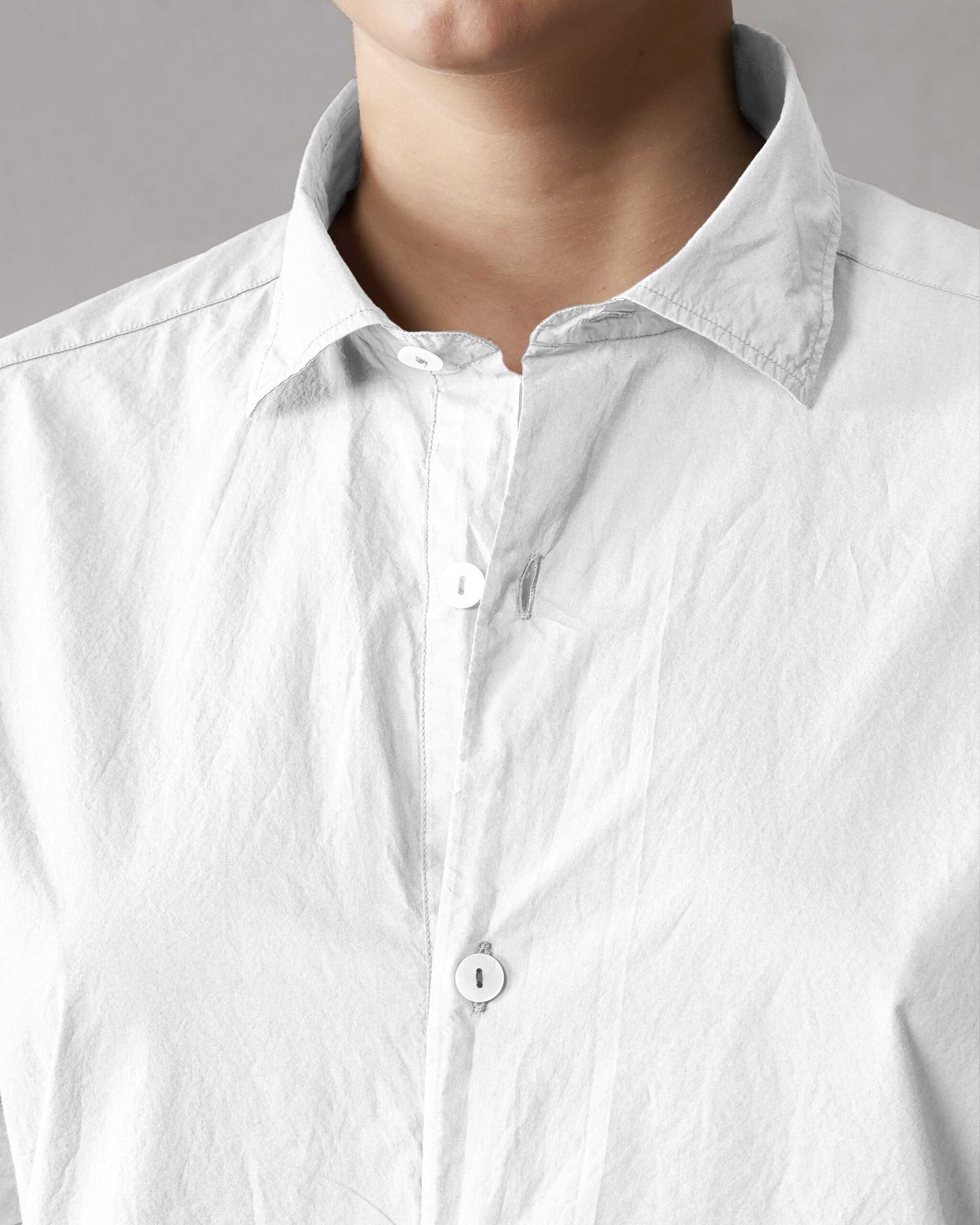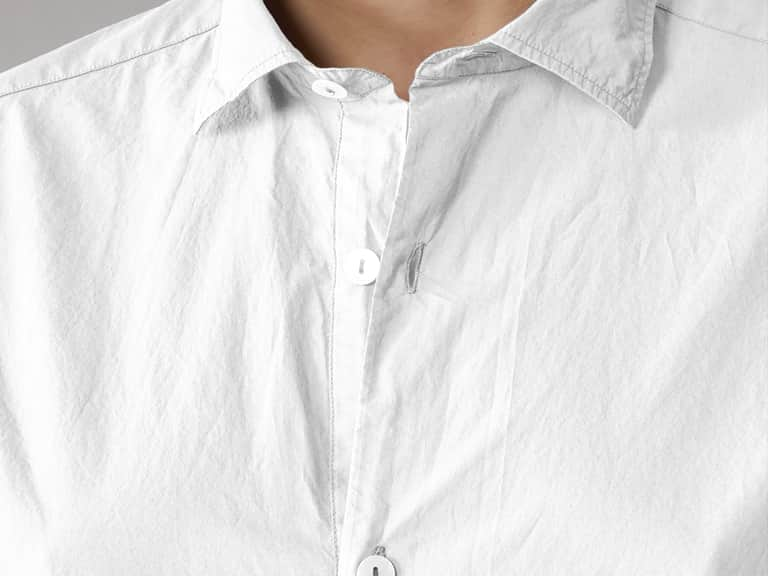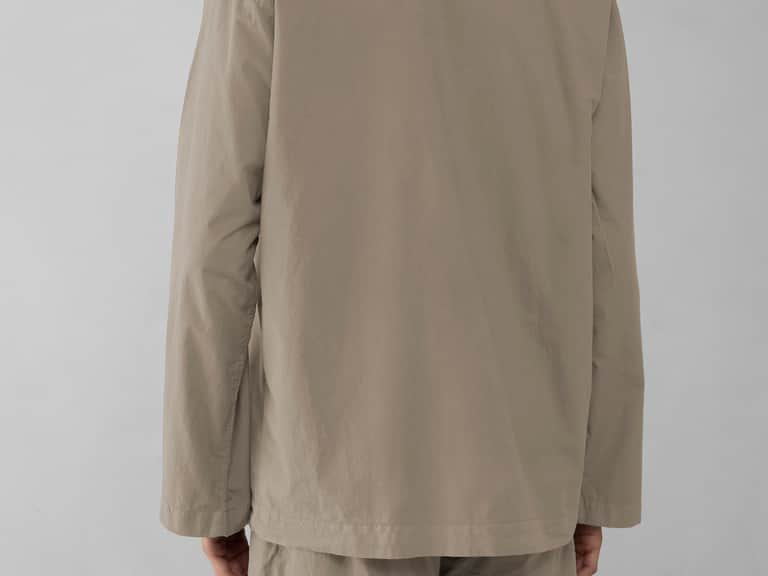
Loungewear | Fit & Fabric
Choosing Lightweight Loungewear: Fabric Weight, Seams, and Ease of Movement
The best loungewear feels easy from the first hour to the last. Fabric weight, seam placement, and thoughtful proportions all help decide whether a top stays breathable and comfortable—or starts to feel clingy, bulky, or distracting.
Published October 23, 2026
Loungewear has a deceptively simple job: make staying in feel good. A soft surface and relaxed outline matter, but they are only part of the story. A top can look loose and still restrict the shoulders. A fine fabric can feel airy at first and turn clingy after hours of wear. Even a label or an uneven seam can become hard to ignore when there is nowhere else to focus but comfort.
Choosing a lightweight layer is therefore less about finding the thinnest garment and more about balancing fabric, construction, and fit. The aim is ease without excess: enough room to stretch, bend, and settle into a chair, without so much volume that fabric bunches under a cardigan or twists during movement. A few practical details make this balance easier to judge, whether you are choosing a lounge top for quiet mornings, layering at home, or wearing it for light activities.
What “lightweight” really means
Fabric weight is commonly expressed in grams per square metre, abbreviated as g/m² or gsm. It describes the mass of a square metre of material. In general, a lower number indicates a lighter fabric, while a higher number often points to more substance. But weight is not a complete comfort score. Two fabrics with similar figures can feel very different because of their fibre, yarn, knit or weave, finishing, and construction.
For a lounge top, a lightweight fabric may feel less insulating and fall closer to the body than a heavier sweatshirt material. That can be welcome in a warm room or as a base layer. A somewhat denser fabric may offer more coverage and structure, which can feel reassuring in cooler conditions. Neither is automatically better: comfort depends on the room, the wearer, the activity, and how the garment is meant to be used.
It also helps to separate fabric weight from thickness and warmth. A fine, dense material may feel smooth and substantial, while a loftier knit can trap more air and feel warmer without being especially heavy. The label’s fibre content and weight offer useful clues, but the drape and hand feel tell you how the garment behaves in practice. When shopping online, look for stated fabric details and garment measurements, and treat phrases such as “light” or “airy” as descriptions rather than precise technical standards.
Cotton, blends, and breathable knits
Cotton is a familiar option for everyday loungewear because it generally feels soft against the skin and is easy to care for. A lightweight cotton knit can offer gentle stretch and a casual drape, making it a natural choice for a simple tee or sleep-inspired top. Cotton jersey, for example, is knitted rather than woven, so it usually has more give than a crisp woven shirt fabric.
Other fibres and blends bring different characteristics. Modal and some other regenerated cellulose fibres are often valued for a smooth hand and fluid drape. Polyester blends may dry relatively quickly and can add resilience, while elastane can provide stretch and help a garment recover its shape. The exact result depends on the blend and fabric construction; a fibre name alone cannot guarantee that a top will feel cool or comfortable.
Breathability is another word that deserves a closer look. In everyday terms, it refers to how readily heat and moisture can move through a fabric. Knit structure, fibre, thickness, and fit all play a part. A loose, light top may allow more air to circulate around the body than a close-fitting one, but an extremely thin material can also feel less opaque or cling to skin when damp. Consider the conditions you expect to wear it in, not just the fabric’s first impression.
For extended indoor wear, the most useful test is how the material feels after movement. Does it stay comfortable when you reach overhead? Does it cling across the back after a warm afternoon? Does it feel scratchy where it meets the neck or underarm? These small observations can matter more than a marketing description, especially for clothing worn for hours at a time.
How fabric weight changes drape and warmth
Weight influences the way a garment hangs. A light fabric often moves easily and can create a softer, more fluid silhouette. It may be pleasant for layering because it adds little bulk beneath a robe, cardigan, or light jacket. A heavier fabric is more likely to hold a defined shape and may feel less fluttery, but it can also gather at the waist or feel warm under additional layers.
Think about the garment’s intended role. A close-to-skin base layer usually benefits from a smooth, light construction that sits comfortably beneath other clothes. A standalone lounge top may need enough body to feel finished and provide coverage. If you tend to feel chilly, a very light tee might be best for warm rooms or as an underlayer rather than your only top. If you run warm, a bulky fleece or dense sweatshirt may be too much for long periods indoors.
Weight also interacts with cut. A boxy top made from very light fabric may drape softly, while the same silhouette in a denser material can create more volume. A narrow cut in a stretchy knit may feel easy initially but become uncomfortable across the chest or shoulders if it is too small. It is the combination—not fabric weight alone—that determines whether a piece feels effortless.
Fit that moves with you
“Relaxed fit” can mean different things from one maker to another. Rather than relying on the phrase, check garment measurements when available. Chest width, body length, shoulder width, and sleeve length can reveal whether a top is likely to sit close or leave room. Compare those numbers with a garment you already enjoy wearing, laid flat and measured in the same way.
Comfortable ease gives the body room without creating unnecessary bulk. You should be able to sit, stretch, reach, and bend without the hem riding up excessively or the armholes pulling. At the same time, fabric should not hang so loosely that it twists around the torso or bunches beneath another layer. The right amount of ease is personal: some people prefer a close, flexible tee, while others like a roomy silhouette.
Check the shoulder and underarm area in particular. A shoulder seam that sits too far inward can tug when you raise your arms; one that sits too far down may add a dropped, roomy feel. Neither placement is inherently wrong, but it should work with the garment’s intended cut. Sleeve openings should allow movement without cutting into the arm, and the body should permit a comfortable reach across the front.
Length is easy to overlook until you sit down. A top that feels fine while standing might ride up at the back or bunch at the waist once you settle into a sofa. If you plan to layer it, consider whether the hem will stay smooth under another garment. A longer cut may offer more coverage, while a shorter one can feel cooler and less cumbersome. Choose according to your habits rather than a single universal rule.
Seams: small details, real impact
Seams hold a garment together, but their position and finish can also influence comfort. A seam running directly across a pressure point may be noticeable during movement or when leaning against a chair. Underarm seams, shoulder joins, side seams, and neck finishes are worth checking because they make frequent contact with the body or with other layers.
Flat, even stitching generally lies more smoothly than bulky or uneven construction. Run a hand gently along the inside of the garment where practical: is the seam allowance tidy, and does the stitching feel soft or scratchy? A seam that puckers or pulls when the fabric is relaxed may affect how the garment hangs. On a stretchy knit, seams should usually have enough flexibility to move with the material rather than feeling rigid.
Seam placement can shape both appearance and function. Side seams that sit comfortably along the torso are less likely to twist around during wear. Raglan sleeves, which extend toward the neckline rather than meeting at a conventional shoulder seam, can offer a different range of motion and distribute the join differently. A shoulder seam may be perfectly comfortable too; the important point is whether the construction suits your body and how you move.
Look at the neckline as well. A ribbed or bound neck can help an opening keep its shape, but a tight finish may feel restrictive. A loose or poorly secured edge may stretch out over time. If you are sensitive to pressure, try the top with your usual posture and notice whether the neckline stays comfortable when you look down, turn your head, or recline.
Labels, stitching, and the inside feel
A garment can be soft on the outside and irritating on the inside. Woven labels, care tags, and rough thread ends may rub against the neck or side of the body, particularly during long periods of wear. Tagless printing or a soft label can reduce that distraction, though the finish should still feel smooth and remain legible for care instructions.
Inspect the interior before removing a tag or altering a garment. If a label bothers you, check whether it is designed to be detached and whether cutting it might damage the seam. Loose threads can sometimes be carefully trimmed, but pulling them can unravel stitching. These are modest details, yet they often determine whether a piece becomes a reliable favourite or stays in the drawer.
A quick fitting-room or at-home checklist
When assessing a lightweight lounge top, take a moment to test it rather than judging it only in front of a mirror. A short movement check can reveal where pressure or excess fabric appears. Try the following:
- Raise both arms and reach forward. Notice whether the shoulders, underarms, or hem pull sharply.
- Sit down and lean back. Check for bunching at the waist, riding at the hem, or a neckline that shifts uncomfortably.
- Turn your torso gently. See whether the side seams stay in place or the garment twists around you.
- Feel the fabric against the skin and at the seams. Look for scratchiness, stiffness, or rough labels.
- Consider layering. Make sure the top does not add more bulk than you want beneath a robe or cardigan.
- Check the care label and measurements. Fabric that needs special handling may not suit a frequently worn everyday layer.
If you are shopping online, use this checklist with the product description and size chart. Pay attention to whether measurements are for the garment or the body, and whether the brand explains its fit. Customer feedback can offer useful clues about sizing and fabric feel, but experiences vary, so compare multiple observations rather than relying on one comment.
Care helps lightweight pieces keep their shape
Light fabrics can be easy to wear, but they still need suitable care. Follow the garment’s care label, since fibre blends, dyes, and finishing treatments differ. Washing in cooler water and using a gentle cycle when recommended can help limit unnecessary wear. Avoid overloading the machine, which can increase friction and leave lightweight garments twisted or stretched.
Drying methods matter too. High heat may shrink or stress some fibres, while hanging a wet knit by the shoulders can stretch it under its own weight. Reshape the garment gently after washing and dry it according to the care instructions. If a top has garment-dyed colour or a delicate finish, following its specific guidance is especially important for preserving appearance over time.
Comfort is not only how a garment feels on its first day. A top that keeps its softness, seams, and fit through repeated care is more useful than one that loses shape quickly. Basic maintenance can help extend the period in which a piece remains comfortable and ready for regular wear.
The best choice is the one that suits your routine
There is no single ideal fabric weight for every person or every home. A breathable cotton knit may suit warm rooms and relaxed layering; a denser material may feel preferable when the temperature drops. Some wearers want a close, smooth base layer, while others feel most at ease in a loose silhouette. The practical question is whether the fabric, seams, and fit work together for the way you actually spend your time.
Start with the feel you want, then check the details that support it. Consider weight and drape, look closely at seam placement and interior finishing, and test movement in the positions you use every day. When those elements align, lightweight loungewear can offer the simple pleasure it promises: a comfortable layer that lets you stretch, settle in, and get on with your day without constantly noticing what you are wearing.
At a glance
- Fabric weight can influence drape and warmth, but fibre and construction also shape how a garment feels.
- Breathable clothing should feel comfortable in your usual setting and remain pleasant during movement.
- Comfort fit means enough room to reach, sit, and stretch without excess fabric getting in the way.
- Garment seams and labels deserve attention because small points of friction can matter during extended wear.