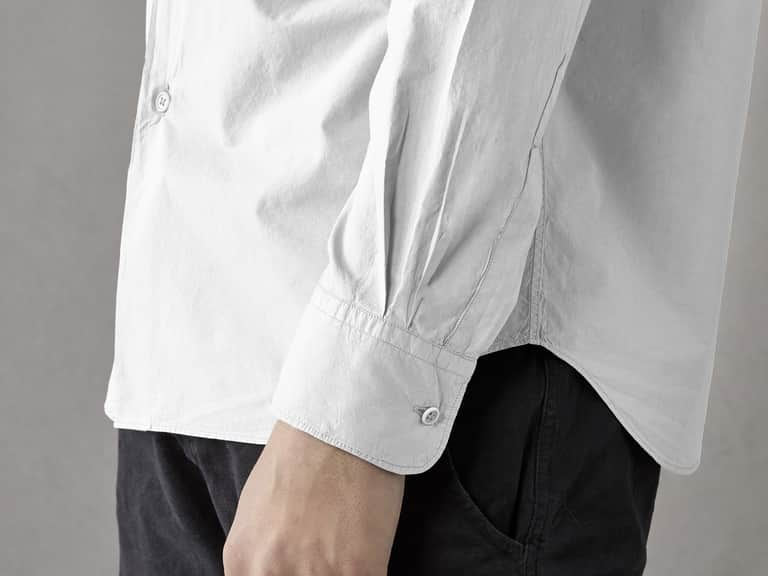
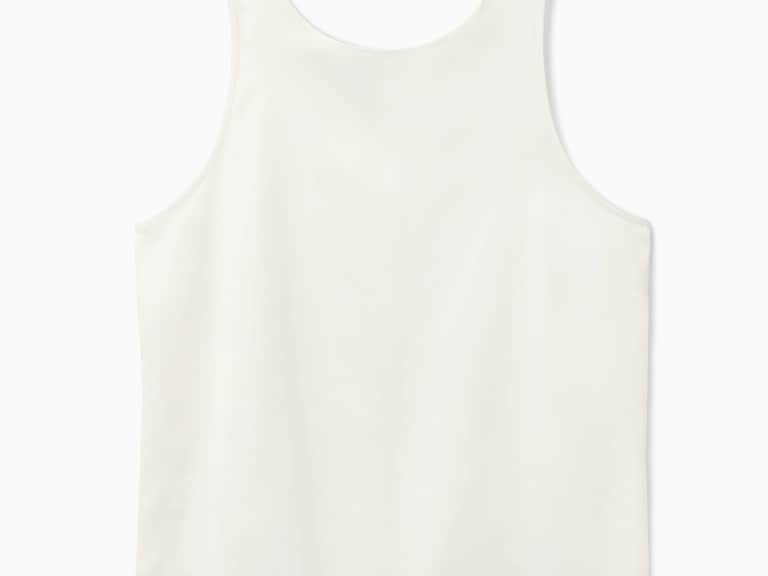
Caricia Short Sleeve Top
Luxuriously soft Italian loungewear that moves with you, blending knit cotton and silk-smooth cotton sateen for everyday comfort. Gentle on skin, easy care, and timelessly tailored for a polished, relaxing fit.
A thoughtful, reader-friendly exploration of how to measure yourself accurately, how to interpret and translate size charts across popular brands, and how to navigate the inevitable variability so you can find better-fitting tees—whether you’re shopping for yourself, a growing kid, or a petite friend who deserves the right fit every time.
In a marketplace that moves with lightning speed, it’s easy to assume that sizes are arbitrary or that “one size fits all” is a sensible premise. Yet the truth is more nuanced. A T-shirt is a base layer and a statement piece at the same time: it sits against the skin, influences silhouette, and can make or break an entire outfit. That’s why understanding sizing—its standards, its quirks, and its regional nuances—remains essential for anyone who cares about comfort, fit, and durability.
Readers of tshirtsmall.com expect practical, actionable guidance: measurements they can take at home, charts that translate across labels, and strategies to handle the variability that comes with different fabrics, cut styles, and manufacturing practices. This guide is designed to be your go-to resource for decoding size labels (XS, S, M, L, XL, and beyond), translating chest and body measurements into reliable fits, and choosing the right size for petite or small-fit needs.
Before you consult a size chart, take stock of the measurements that actually influence tee fit. The most critical measurements for a standard T-shirt are chest, length, shoulder width, and sleeve length. Each brand may interpret these differently, but starting with precise measurements helps you compare apples to apples across labels.
Tips for accurate at-home measurement:
Brand size charts are not created equal. One label’s “M” can correspond to a different chest measurement than another brand’s “M.” That’s why a brand-agnostic approach is essential. The key is to focus on chest, length, and shoulder measurements rather than trusting the label alone. A practical method is to map your measurements to the most relevant garment metrics and then search for brands that align with those numbers.
When you encounter a size chart, look for these elements:
Practical tip: if you’re between sizes, check the garment’s fabric and care instructions. A lightweight cotton jersey tends to have more drape and stretch than a dense knit, which might push you toward a smaller size for a clean look or a larger size for more ease.
Petite shoppers and those seeking small-fit tees face unique challenges. The rise of oversized silhouettes in fashion can complicate fit expectations. Here are targeted strategies to help you find tees that suit a smaller frame without sacrificing comfort or proportion:
For petite shoppers, it’s also worth exploring brands that publish precise petite measurements or that cater to a range of inseams and torso lengths. The goal is to align your body geometry with a chart that respects your proportions, not simply the label on the hanger.
Beyond measuring and chart-reading, there are universal practices that help you land a reliable tee wherever you shop:
To make the process tangible, here is a concise, printable checklist you can keep near your sewing table or in your shopping notebook. It covers the essential steps from measurement to brand comparison and final selection.
While measurements are the foundation, the experience of wearing a tee is also a narrative about personal comfort, confidence, and everyday practicality. A well-fitting tee is a quiet partner—one that holds its shape through the day, keeps its color, and lets you move with ease. For parents shopping for children’s sizes, the stakes are even higher: fit must be secure enough to withstand active play and yet comfortable enough for all-day wear.
This article embraces a balanced, evidence-based approach to sizing. It celebrates the diversity of body types and recognizes that the fashion world continues to evolve in its understanding of fit. By arming readers with measurement literacy, a critical eye for brand charts, and practical tips for petite and small-fit needs, tshirtsmall.com can become a trusted companion in the wardrobe planning process.
Imagine you’re shopping for a tee for a weekend event. You measure, compare, and select a size that corresponds to a chest around 38 inches, a length at your hip line, and a shoulder width that doesn’t push the fabric at the collarbone. You then cross-check a couple of brands that publish precise measurements in the range you’ve identified and choose the one with the most favorable length-to-chest ratio and the fabric you prefer for comfort and durability. The result is a tee that feels tailored to you, even though you didn’t try on every option in the store.
In addition to shopping, this guide is useful for parents measuring kids and for DIY enthusiasts who want to understand how sizing impacts patterns and garment construction. The principles of accurate measurement, chart translation, and thoughtful consideration of fabric behavior apply across adult and child sizing alike.
To support the practical application of these concepts, consider including or linking to:
Size should feel like a conversation with your clothes, not a guessing game. By adopting a measured, brand-agnostic approach to sizing—grounded in accurate measurements, clear charts, and practical petite-fit strategies—you can confidently navigate the tee landscape. This guide is designed to be revisited, updated, and refined as brands evolve and as your own preferences shift over time. The ultimate aim is straightforward: tees that fit well, wear well, and make you feel your best every time you pull one over your head.
While shopping guidance remains the focus, it can be helpful to know which pieces on tshirtsmall.com exemplify comfortable, well-made design that complements sizing-conscious shoppers. The Caricia Short Sleeve Top offers a refined blend of knit cotton and cotton sateen, designed with careful finishings that support a smooth silhouette and lasting wear. It embodies the idea of considerate construction that pairs with a disciplined approach to sizing, ensuring a flattering fit for a range of body types. If you’re exploring lounge-to-outdoor transitional pieces, this top’s versatile proportions illustrate how fabric choice and cut influence the perceived fit even when measured against a standard size chart.
Another example is the Caricia Buttoned Tank Top, which further demonstrates how thoughtfully engineered details—front placket, darts, and carefully bound neck and armholes—contribute to a clean line that remains comfortable across different sizes. For readers who value breathability and structure in warm-weather tees, this tank top provides a reference point for how fabric weight and tailoring translate into a reliable fit that holds up to movement and daily wear.
The tshirtsmall.com domain signals a focus on precise, practical information about tee shirts, with a particular emphasis on small and petite fits. This article aligns with that identity by prioritizing measurement literacy, brand-agnostic chart interpretation, and actionable tips for petite and small-fit readers. It also supports a non-promotional, educational approach that invites readers to consider fit as a core element of wardrobe planning, not merely a consumer impulse.
As you expand the site, you may consider developing additional resources that echo this guide—such as a “Sizing Calculator” that converts chest, length, and shoulder width measurements into estimated sizes across multiple popular brands, or a “Petite Fit Library” with concise notes on how different brands address petite proportions. These additions would extend the editorial arc while staying true to the site’s educational mission.
Size is not only a number; it is a starting point for a thoughtful, intentional wardrobe. By embracing measurement accuracy, understanding brand variations, and prioritizing petite and small-fit considerations, you empower yourself to choose tees that look and feel right—today and tomorrow. If you’d like, I can tailor a sample site map and a content calendar for the first 8–12 weeks to kick off the project, ensuring that sizing content remains fresh, practical, and aligned with user needs.